Ethics
A recording: chapter 6 of episode 2, Where the bullet goes
Fair chase, the clean kill, and all the calls nobody is watching you make.

Fair chase
Hunters were arguing about what's fair long before anyone wrote it down. The version most people quote comes from the Boone and Crockett Club, the American club Theodore Roosevelt helped found in 1887. It calls fair chase the "ethical, sportsmanlike, and lawful pursuit" of a free-ranging wild animal, in a way that gives the hunter no improper advantage over it.
Look at what's in that. Lawful is one word of three. The law is the floor, and plenty of things on the right side of it are still poor form. Ethical is about the animal: a quick death, and no shot you can't make. Sportsmanlike is about you, and whether you'd be comfortable with anyone at all watching how you went about it.
Be straight about this weekend. Boone and Crockett won't take an animal into its record book if it was found with artificial light, night vision or thermal, or chased with a vehicle. Spotlighting off the back of a ute fails that test on the first count. It's also legal on private land in NSW with permission, it's a standard method in the state's own deer control codes, and it's how a lot of farm pest control gets done. Both things are true.
What's left of fair chase when you're working a spotlight is the part that matters most. The animal you shoot is identified, standing still, in range, with nothing behind it, and it dies quickly. And nobody shoots from a moving vehicle. Every code in the country says so.
Legal
The floor. In NSW that's a firearms licence, the landholder's permission, and nothing that causes an animal unnecessary pain. A 400 m shot you've never practised can sit inside this ring. That doesn't make it right.
Ethical
A shot you know you can make, on an animal you've identified, and a follow-up if it goes wrong. A clean spotlight shot on a pest lives here.
Fair chase
On foot, on a free-ranging animal, with no edge it can't answer: no lights, no vehicles, no fences. The hardest ring to stay inside, and the one most hunters measure themselves against.
The NSW hunter education handbook, the one every licensed hunter in the state studies, boils hunting ethics down to one word, respect, owed in four directions.
The law
Have permission before you set foot on the place. Obey the landholder, the fire danger and every firearms rule, and report anything illegal you come across.
The landholder
You're a guest. Know the boundaries, do what you're asked, and look for ways to help in return for being there.
The country
Rubbish and shell cases go home with you. Drive on the formed tracks. Fires only where they're safe and allowed.
The animal
Shoot well enough to kill it cleanly, learn how it lives, carry it home with some dignity, and use all of it you can.
Lore
The man who founded the club that wrote fair chase down also shipped New Zealand some of its wapiti. Some of the 18 landed at the head of George Sound in Fiordland in 1905 were Theodore Roosevelt's gift, and the herd is still there. Other Game has the rest.
The clean kill
Everything else in this book comes back to one shot. The NSW handbook puts it flatly: if you have any doubt your shot will result in a clean kill, you don't take it. NSW animal cruelty law agrees. The defence it gives hunters only holds if the shooting caused the animal no unnecessary pain.
Good shooters still wound animals. The best numbers anyone has come from a UK study of 2,281 first shots at deer by 102 stalkers. 95.5% hit. 88.8% killed outright. 6.7% wounded the deer, and 1.2% of deer got away wounded. Those were experienced, qualified people.
The same study showed what moves the odds. Hits fell as the distance grew and rose with practice. Comfortable positions, a rest, an aim at the chest, time to settle and a deer standing still all helped. A rushed shot, an obscured animal and a head shot all hurt. None of that is about the rifle.
Fig. 2From Aebischer, Wheatley and Rose (2014), 2,281 shots at UK deer.
A deer's heart and lungs are about the size of a 20 cm paper plate, which is why hunter education courses use one as the standard. Your range is as far as you can keep every shot on that plate, from the position you'll actually shoot from. Not off the bench.
Set your group at 100 m from field positions, then walk the plate back. Groups open in proportion to distance, and that's before wind, a beating heart or a pressure shot add to it.
Most of good hunting is passing. Here are eight shots you might be offered. Make your call, then see what an experienced hunter would do and why.
The angles follow the NSW handbook. Broadside is the best shot there is. Quartering away is acceptable with a rifle. Quartering towards, wait for something better. Head-on, wait. Going away, never.
Lore
In that UK study, stalkers who practised every week hit with 95% of first shots. Those who practised less than once a year hit with 79%. Same rifles, same deer. The difference was all on the shooter's side of the scope.
When it goes wrong
Sooner or later you'll hit one badly. It happens to good shots, and the only real question is what you do next. The duty is simple to say and hard to do in the dark at the end of a long day: you find that animal and you finish it.
It's written into the rules too. The NSW game hunting licence code requires every reasonable effort to find and kill wounded game. The kangaroo code says that if one is still alive after it's shot, you make every reasonable effort to find and kill it before you shoot at anything else.
Treat every shot as a hit until a proper search says otherwise. A deer shot through the heart and lungs often runs before it drops, commonly within 50 m and sometimes as far as 150 m. Plenty of people have called a clean kill a miss because the animal ran.
Don't chase
A wounded animal that's pushed runs further and lies up deeper. Stay put, reload, make the rifle safe, and watch. Most of the work of a good follow-up happens in the first minute, with your eyes.
- The shot
Watch and mark
Note exactly where it stood, how it reacted and which way it went. A kick of the hind legs and a head-down run usually means heart and lungs. A hunched, stiff walk-off usually means gut.
- Then
Wait
Thirty minutes, unless it's down in sight. Longer for a gut or liver hit, so it beds down close instead of being pushed. In hot weather, balance that against the meat.
- Then
Mark where you shot from
Bright tape on a branch. Once you walk off that spot, everything looks different.
- Then
Find the hit site
Walk to where it stood and mark that too. Look for tracks, blood, hair and tissue, and read what they tell you.
- Then
Follow, marking as you go
Every five metres or so. Look for blood up to shoulder height on the scrub. Lose the trail, go back to the last mark and work out from it.
- The end
Close in slowly
Approach from above and behind, quietly. If it isn't dead, a safe finishing shot. Then take your tape home.
Bright, frothy, bubbly blood
Lungs. Often pink, spongy bits of tissue with it, and a strong trail. Wait 30 minutes and you'll usually find it within 50 m, sometimes 150.
Bright red blood
Arterial, so heart or a big vessel. But a leg wound can bleed bright red too, so don't call it a heart shot on colour alone. Wait 30 minutes.
Dark, thick blood
Liver, often with dark, slimy tissue. The deer walks off and beds nearby with its head up. Wait at least two to four hours. Push it now and you'll lose it.
Thin, watery blood with green or brown bits
Gut, and it smells. Small amounts of blood, a slow trail. Wait four to eight hours, or until morning. In hot weather that costs you meat, and it's still the right call.
Short hair and bone splinters
A leg. The trail often starts well and thins fast, and the animal can travel a long way. Mark everything and follow with care.
Lore
In steep country a hit animal usually heads downhill. When the trail goes cold on a slope, start looking below it.
Nothing wasted
The best argument for hunting is in the esky. Months of meat, and the first honest answer you've ever had to where'd you get this. No antibiotics, no hormones, no needle. That only holds if you actually take the meat.
Taking it means the work after the shot: a fast gralloch, the carcass cooled, the heart and liver saved if you want them, and every usable cut brought home. It means not leaving a hindquarter on the hill because it's heavy, and not shooting a third animal when there's no room left to cool it. Using the whole animal is one of the four Rs, and the Australian Deer Association's code asks for full use of the venison.
Roo counts too. Meat from a kangaroo taken under the landholder's licence can go in your esky, but no part of it can be sold, swapped or traded. Wild venison is the same for selling: that needs a licensed chain from the paddock to the plate. Feed your own, and your family and friends.
Field to Freezer covers the how. This chapter is just the why.
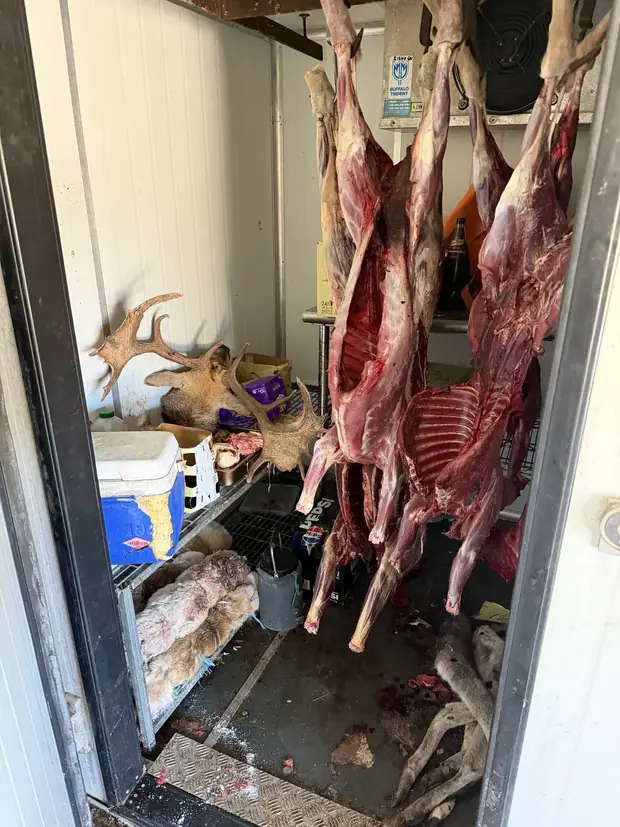
Fig. 5Raw meat, from the Australian Food Composition Database.
Take the photo. It's your animal and your memory, and the people who love you will want to see it. Just remember that anything you post stays up for anyone to find, forever, including people who'll never understand what you did or why.
The NSW handbook is blunt about it: never post images of animals with massive wounds, large amounts of blood or distasteful scenes, and only post what shows safe, ethical hunting. A good trophy photo takes two minutes of tidying. A bad one can't be taken back.
- Wipe the blood offFace, mouth, and the wound side turned away from the camera.
- Tongue in, mouth closedA sprig of grass or leaves in the mouth does the job and looks right.
- Legs folded underLay it like it's resting, not dumped.
- Rifle safe and pointed nowhereAction open, muzzle away from everyone, including the camera.
- No straddling, no silly facesSit beside it or behind it. Respect reads in a photo.
- Nothing that shows whereNo property name, no landholder, no location tags. It's their privacy, and their deer.
Lore
Look again at the cover of this book. In the old German hunting tradition, when a deer is down the hunter puts a sprig of oak, pine, spruce, fir or alder in its mouth: the letzter Bissen, the last bite. A second sprig, touched with the animal's blood, goes in the hunter's hat. It's a thank-you, and a full stop.
Pest or game
In NSW, deer are two things at once. On paper they're still game animals under the 2002 game act, but since 2019 you haven't needed a licence or a season to shoot them on private land. Every one of the state's eleven regional pest plans lists feral deer as a priority, and deer herbivory has been a listed key threatening process since 2004.
There are good reasons. Australia now has an estimated one to two million wild deer, and the best estimate of what they cost is about $91 million a year, $69 million of it in farm losses. Fallow alone, in one north-west NSW study, added as much grazing as about 60 sheep per square kilometre and halved the stock the country could carry.
So where do hunters fit? Honestly, mostly at the edges. Deer herds grow 35–40% a year, and something like 34–49% has to come out every year just to hold them where they are. The NSW department says ground shooting on its own rarely gets there. The big removals come from coordinated programs with helicopters.
And nobody knows the private-land tally. There's no harvest return for shooting deer on private land, so the deer taken on weekends like this one aren't counted anywhere.
Hunters still matter. The Northern Tablelands pest plan says day hunting can help when it's aimed at bringing numbers down rather than at recreation. Hunters cover private country, shoot for the landholder all year, and take meat that would otherwise rot. About 197,000 people hunt in NSW, and recreational hunting put $509 million into the state's economy in 2021–22.
Fig. 6Local Land Services aerial and ground programs, and licensed hunters' returns from State forests (NSW DPIRD).
Helicopters aren't clean either
A 2022 study had vets watch three helicopter deer culls in eastern Australia. Deer took a median of 17 to 37 seconds to lose consciousness and carried 1.4 to 2.6 bullet wounds each. The best results came where crews flew back over every animal and shot each one more than once.
One side
The Invasive Species Council argues that treating deer as game is what let them spread, that ground shooting barely dents the numbers, and that State forest tallies are tiny next to the growth. It opposed the 2025 bill that would set up a Conservation Hunting Authority in NSW.
The other
Hunting groups point to volunteer effort, money spent in the bush, early warning of disease, and shooters cleaning up the animals the helicopters miss. Most people on both sides agree on one thing: hunting helps most when it's coordinated across boundaries and aimed at cutting numbers.
Here's the one that comes up every spring trip. NSW has no closed season for deer, so a doe is legal in October. She's also heavily pregnant. Fallow rut in April and carry for about 230 days, so fawns arrive from late November to January, peaking in December. In October a doe is about six months in, with roughly six to ten weeks to go.
The case for
- The does are the population. One buck can serve many, and adult does are often 90% or more pregnant each year, so herds only shrink when does are taken.
- It's legal, deer are a priority pest, and the landholder may want exactly this.
- A clean kill is a clean kill. The doe doesn't know what month it is.
The case against
- You kill two animals with one shot, and one of them you'll see when you gralloch her.
- NSW itself had closed seasons for deer until 2019, and plenty of hunting traditions leave females alone around birth.
- Chital are establishing along the Queensland border, and a chital hind in October may have a young calf hidden nearby. The licence code says you then have to find and kill that calf.
There's no single right answer here, and good hunters land on both sides. What isn't negotiable is asking first. If you're not sure, ask your guide before you shoot a doe, not after.
New Zealand runs a different model. Its Game Animal Council, set up under the Game Animal Council Act 2013, is a statutory body for deer, tahr, chamois and wild pigs. It advises the minister, runs hunter education and safety, writes voluntary codes of practice and certifies hunting guides.
Since July 2026 it has two herds to look after. The Fiordland wapiti and the central North Island sika are now herds of special interest, managed for hunting under a plan. Hunters' foundations do the work and meet much of the cost: herd management, monitoring, huts and tracks, predator control.
It isn't settled. Tahr are still managed under a 1993 control plan, the Department of Conservation says numbers remain above the plan's levels, and hunters have taken the department to court over it. But it's a model where hunters are expected to manage animals, not just shoot them.
Lore
In 2025 a bill went into NSW Parliament to create a Conservation Hunting Authority, a bit like New Zealand's council. It's a non-government bill and it isn't law. If it ever passes, a lot of this chapter will need rewriting.
Other people
None of this happens without someone letting you onto their land. Six thousand acres is somebody's living, their stock, their water and their fences, and you're there on their say-so. In NSW, going onto someone's land with a firearm without permission is a serious crime. Being asked back is the whole game.
The rule that matters most is the oldest one: leave every gate as you find it. An open gate may be open on purpose, so stock can reach water. A closed one is closed for a reason. If something's wrong, tell the landholder rather than fixing it your way.
- Every gate left as you found it
- Boundaries known, and no shot near oneNever fire across a fence line you're not sure of.
- Stock located, and never a shot towards them
- Formed tracks only, no new wheel ruts
- Shell cases and rubbish picked up
- Fires only where you were toldAnd never on a total fire ban day.
- Told the landholder what you shot and where
- Reported anything oddA dead animal, a cut fence, a stranger, fresh pig sign.
- Offered a hand with something
Short answer: they never overlap. Not one beer before the spotlight run, not a quiet one at the bench. In NSW it's an offence under the Firearms Act to handle or use a firearm while affected by alcohol or drugs, or to hand one to someone who is.
New Zealand's firearms safety code makes it the seventh of its seven rules. There's no safe amount you can drink and then handle a firearm. Wait until every firearm and all the ammunition are locked away before you drink, and don't shoot with anyone who has been drinking. Prescribed medication can count too, so ask your doctor.
This trip runs the same way. Once the rifles are away for the night, have one if you want. Before that, nobody does.
What if I'm only spotting?
Then you're still in the ute with loaded rifles and making calls about what's in the light. If you've been drinking, your night's done. Sit by the fire.
What about the morning after?
If you'd think twice about driving, think twice about the rifle. A hangover is slow reactions and poor judgement, which is the whole problem.
What if someone else has been drinking?
Don't shoot with them. Say so plainly and early. The guides will back you, and the person you said it to will thank you in the morning.
Someone took you out the first time, or wishes they had. Some of the people on this trip are beginners, and the way their first animal goes will shape how they think about all of this for a long time.
The single most important rule: it's their call, every time. A first-timer who hesitates is telling you something. The animal walking away costs nothing.
- Before
Make the shot boring
Safety first, then the bench, then the plates until it's routine. The shot they take at an animal should feel like one they've already taken fifty times.
- In the field
Pick it for them
Close, broadside, standing still, from a solid rest. Walk away from five marginal chances rather than take one.
- The moment
Talk them through it, quietly
Where to put the crosshair, breathe, squeeze. Then say nothing. Nobody gets talked into it.
- After
Stay beside them
The follow-up, the first look at the animal, the gralloch. Some people feel more than they expected. That's normal, and it's worth talking about by the fire.
Lore
Hunters' patron saint is St Hubert, with his feast day on 3 November. The legend goes that he was out hunting a stag when he saw a cross between its antlers and was told to change his ways. Hunters have been telling each other to behave ever since.
The calls nobody sees
Every rule in this book is easy at the kitchen table. They get hard at last light, when you're tired, the animal's right there, your mate's watching and nobody else would ever know. Here are nine of those moments. Pick what you'd do, then read what an experienced hunter would say about it.
Most have a clear best answer. A couple genuinely don't, and they're marked that way.
The heavy doe
October, last light. A fat doe stands broadside at 110 m, clearly heavy with a fawn. It's legal, the landholder wants numbers down, and your mate whispers "take her".
Good hunters land on both sides of this. Taking does is how herds actually shrink, and a clean kill is a clean kill. Leaving her spares two animals in the month before birth, and NSW itself protected deer with closed seasons until 2019.
The one wrong move is deciding on your own on somebody else's place. Ask first.
The joey
You've shot a female eastern grey under the landholder's licence. When you reach her, there's a furred joey in the pouch.
The code is clear: every shot female is checked straight away, and any pouch young is euthanased by the method the code prescribes. Left alone, it dies slowly.
It's the hardest job on the licence. It's also why the code says to avoid shooting females with obvious young in the first place.
The second roo
You hit a roo and it hops into the scrub. A second one stands broadside in the open, perfect, 80 m away.
The kangaroo code: if an animal is still alive after it's shot, every reasonable effort to find and kill it comes before shooting at anything else. The second roo will be there another night.
The boundary fence
You've hit a buck hard. The blood trail runs straight to the neighbour's fence and over it.
In NSW, entering land with a firearm without permission is a serious crime, whatever your reason. Mark the crossing, stay on your side, and get the landholder to call the neighbour.
Then, with permission, go and find it. Writing it off is the one answer that's never right.
The open gate
Driving out at dawn, you come to a gate standing open. You don't remember it being open last night.
Leave every gate as you find it. It may be open so stock can reach water. If it looks wrong, a quick word with the landholder fixes it without guessing.
Two beers in
It's 8 pm. You've had two beers by the fire. Someone says the roos are out on the flat and asks if you want to come and shoot.
Handling a firearm while affected by alcohol is an offence in NSW, and there is no safe amount. Spotting still puts you in the ute with loaded rifles making calls. On this trip the rifles and the drinking never overlap.
The long carry
Your buck is down at the far end of the property, it's 30 degrees, and the ute can't get within a kilometre.
Using the whole animal is the deal you made when you pulled the trigger. Gralloch it fast to start it cooling, quarter it if you have to, and get your mates. It's a hard hour, and it's the right hour.
The photo
Your mate's first buck. He wants a photo with the tongue out and the blood still running for his socials, tagged with where you are.
Take the photo, he'll treasure it. Clean the blood, tongue in, legs tucked, rifle safe. The NSW handbook says never post wounds or gore, and a location tag gives away somebody else's property. Two minutes now saves a lot of regret.
The white one
A white fallow buck steps into the light, legal and clear. The landholder's family have watched him on the house paddock for years.
Biologically he's just another fallow, and some landholders would want him gone. Others would be heartbroken. There's no rule here, only whose place it is.
That's why you ask before the trip, not in the light.